
Physical Therapy for Chronic Pain: Effective Strategies for Long COVID and Beyond
Many people grapple with chronic pain, a relentless condition that affects physical health and emotional and mental well-being too. It can stem from various causes like past injuries, underlying medical conditions, or even infections. Chronic pain can manifest as a dull ache, a sharp stabbing sensation, or a burning feeling, and it can significantly impact your ability to perform daily activities and enjoy life to the fullest.
The COVID-19 pandemic has brought a new dimension to chronic pain: Long COVID. This condition, also known as Post-Acute Sequelae of SARS-CoV-2 infection (PASC), affects individuals who have recovered from the initial COVID-19 infection but continue to experience lingering symptoms, including chronic pain.
Video Tips of the Month

Patient Success Story
“Rebound Fitness has become an important part of my children’s sports training in addition to keeping us all healthy. The staff at Rebound takes into consideration the entire picture: how you move, what you do, what are your goals. They look to your body and movement first to see what isn’t working and how to accurately treat you. Our entire family trusts Rebound to keep us safely moving as both elite athletes and everyday athletes! Lastly it has to be said that the entire staff is as nice as can be – very comforting and welcoming!” -M.W.
The Link Between Long COVID and Chronic Pain
While the exact mechanisms are still being investigated, research suggests that Long COVID can trigger chronic pain through several pathways:
- Inflammation: The virus can trigger persistent inflammation throughout the body, affecting muscles, joints, and nerves.
- Nervous System Disruption: COVID-19 can impact the nervous system, leading to nerve damage and altered pain signaling.
- Autoimmune Responses: In some cases, the virus may trigger autoimmune reactions, where the body’s immune system mistakenly attacks its own tissues, causing pain and inflammation.
Meet Our Team

Jianrong Hong
PT, DPT


Stephanie Berman
ATC, General Manager

Sam Lodygowski
M.Ed, LAT, ATC
Game, Set, Match:
Returning to Sports After Tennis Elbow
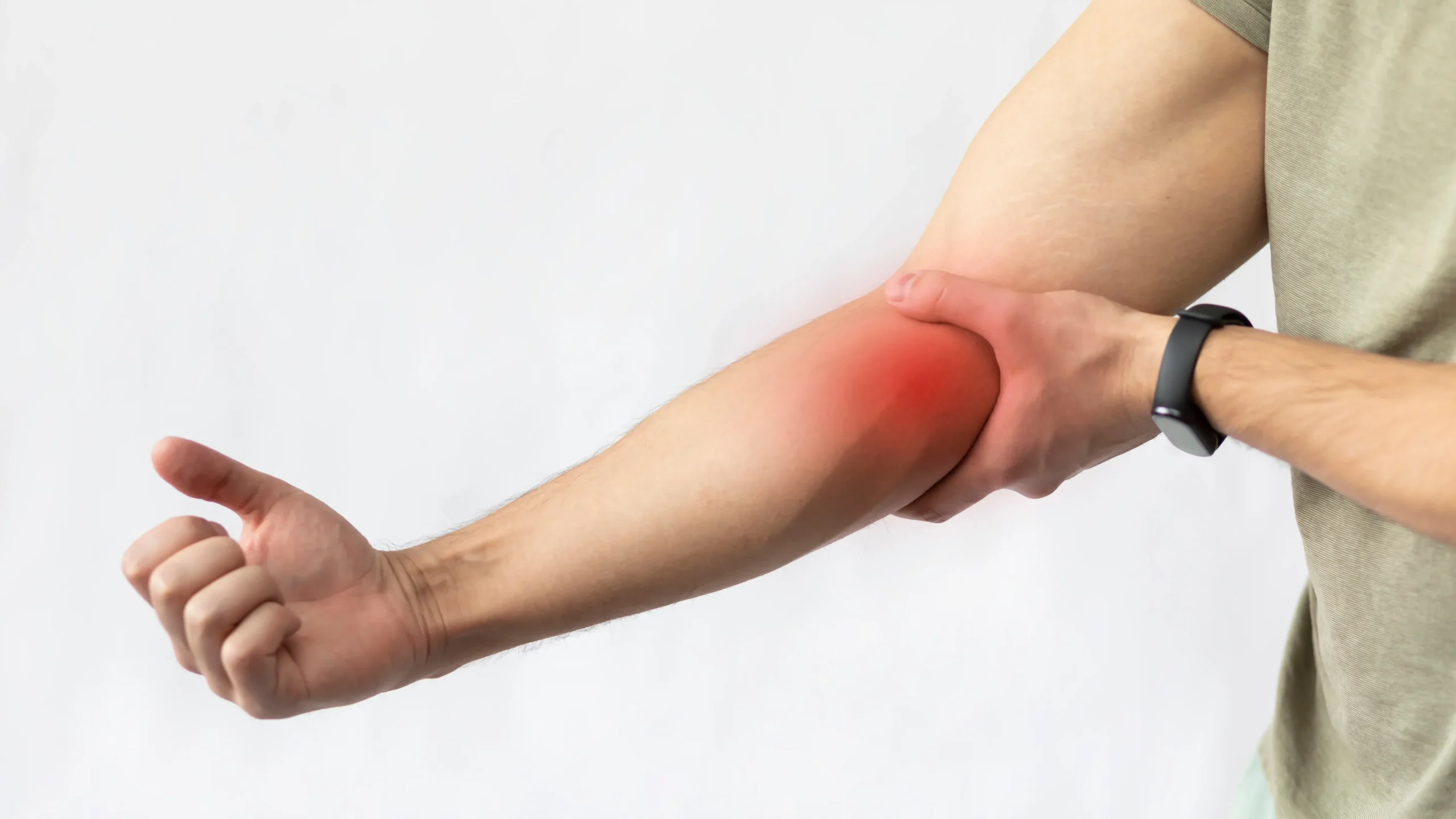
Recovering from tennis elbow requires patience and a strategic plan, especially when it comes to resuming sports. Here’s a roadmap to guide your comeback:
- Phase 1: Before jumping back into your sport, ensure you’ve addressed the underlying issues with our physical therapists. This means:
- Go to Pain – Not Through Pain: You should have minimal to no pain during daily activities and prescribed therapeutic strengthening exercises. Your therapist will guide you on how to identify what is safe and what is not.
- Full Range of Motion: Regain full mobility in your elbow and wrist joints, and forearm muscles.
- Strength: Your grip strength and forearm muscle endurance should be sufficient for basic functional tasks.
- Phase 2: Start with activities that don’t increase your pain while doing them or place excessive stress on your elbow or forearm muscles. Your therapist will give clear guidance on how to gradually increase the intensity and duration as your tolerance improves.
- Sport-specific Drills: Introduce light drills that mimic movements from your sport but at a lower intensity and volume. For tennis, this might involve practicing your swing without a ball or hitting soft groundstrokes.
- Listen to Your Body: Pay attention to any pain or discomfort that increases while doing the activity. If your elbow starts to ache and continues to intensify, stop the activity and contact Rebound Fitness & Rehabilitation for the next steps.
- Phase 3: As your elbow adapts, gradually increase the intensity and duration of your sports activities.
- Increase resistance
- Increase repetitions and sets
- Practice with game-like intensity
Game On!
Once you can perform at game-like intensity without pain, you’re ready to return to full participation. Returning to sports after tennis elbow requires a gradual and patient approach. We’ll create a personalized program so you can safely and successfully get back in the game.
Treatment For Chronic Pain At Rebound Fitness & Rehabilitation
If you’re struggling with chronic pain, don’t wait any longer to reach out to us. Our experienced physical therapists are dedicated to helping you regain control of your life and achieve your optimal level of function. Whether your chronic pain stems from Long COVID or other conditions, we will work with you to develop a personalized treatment plan that addresses your specific needs and goals.
Schedule an appointment today and let us help you on your way to recovery.
Recipe of the Month: Mediterranean Chicken
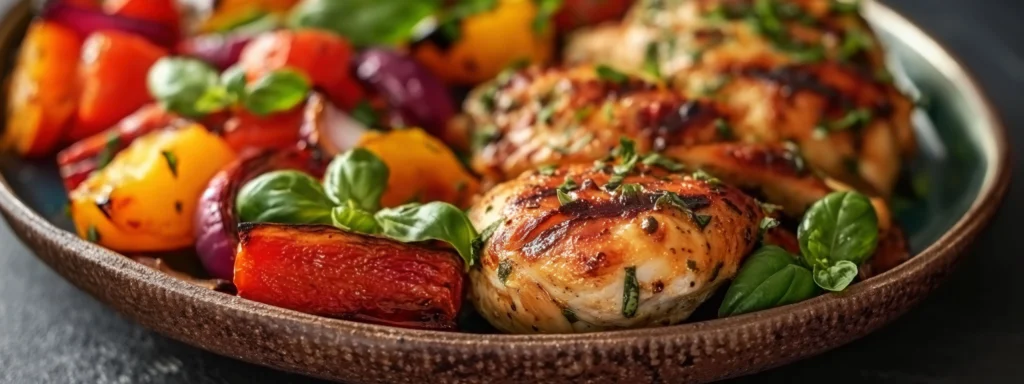
Ingredients:
- 4 small (6-to-8-ounce) boneless skinless chicken breasts
- 1 1/2 tsp. kosher salt
- 3/4 tsp. black pepper
- 3 Tbsp. olive oil
- 1 red bell pepper, chopped
- 1 red onion, cut into a large dice
- 4 garlic cloves, finely chopped
- 1/2 cup dry white wine
- 1 cup cherry tomatoes, halved
- 3/4 cup pitted green olives, halved
- 2 tsp. fresh oregano, chopped
- 1 zucchini, halved lengthwise and sliced into ½-inch half-moons
- Zest and juice of 1 small lemon
- 1/4 cup fresh parsley, chopped
- Rice, orzo, bread, or roasted potatoes, for serving
Instructions:
- Preheat the oven to 375°F.
- Pat the chicken dry with paper towels and season with 1 teaspoon salt and ½ teaspoon black pepper. In a large oven-safe skillet or braiser, heat 2 tablespoons of the oil over medium-high heat. Add the chicken and cook on one side until well browned, 4 to 6 minutes. Transfer the chicken to a plate.
- Reduce the heat to medium and add the remaining 1 tablespoon oil. Add the bell pepper, onion, garlic, and remaining ½ teaspoon salt and ¼ teaspoon pepper and cook, stirring frequently, until the vegetables are tender and lightly golden, 4 to 6 minutes. Add the wine and cook, scraping up any browned bits, until most of the liquid has evaporated, about 1 minute. Stir in the tomatoes, olives, oregano, zucchini, lemon zest, and lemon juice.
- Nestle the chicken seared-side up in the vegetables. Transfer the skillet to the oven and bake, uncovered, until the internal temperature of the chicken registers 165°F on an instant-read thermometer, 20 to 25 minutes.
- Sprinkle with parsley and serve with rice.