
The Surprising Link Between Neck and Lower Back Pain
If you’ve ever dealt with nagging neck pain, your lower back was probably the last thing you were thinking about–and vice versa. But if you’ve ever experienced both at once, you might have started wondering if they could be linked. Well, your hunch was correct: Neck pain and lower back pain are often interconnected. The human body is a marvel of connectivity, where different parts support and affect each other. That’s why the physical therapists at Rebound Fitness & Rehabilitation take a whole-body approach to your care. We’ll figure out where the underlying issue is actually located and work with you to address it directly.
Understanding the connection between neck pain and lower back pain can help you feel better in the long run.

Video Tips of the Month

Patient Success Story
“What a great experience. I found Rebound using Google Maps and after reading through a few websites. Many years ago, I used a corporate physical therapy group, and that experience gave me the false impression that PT is doing a bunch of lazy, unsupervised exercises. At Rebound, there’s a lot of focus on form and keeping exercises fresh so that the body never gets acclimated through mere routine. Rebound has helped me recover from distal clavicle osteolysis (basically, a shoulder bone spur) that made it impossible to lift my arm without pain above 90 deg. I had my doubt coming in whether PT could help or if I was delaying inevitable surgery. But PT made a huge difference and I’m pain free while back at regular exercise routine. I’m on the path to increasing strength in my back, standing with better posture, and homing in on the exact exercises that I can continue to improve. I highly recommend Rebound Fitness to anyone experiencing chronic or acute pain.”
– Sandy
Exploring the Neck and Lower Back Connection
Imagine you’re holding a chain, trying to tug it forward. Unbeknownst to you, however, the opposite end of that chain has gotten caught on a hook. No matter how hard you pull, you won’t be able to move the other end of the chain. Your spine is a lot like that chain. Each vertebra is a link that depends on the others to maintain strength and balance. So, when one part of your spine is out of line, it can impact other parts. Here’s an example using poor posture, one of the most common culprits behind both neck and lower back pain:
Slouching, Compensations, and Interconnected Pain
Your spine is surrounded by muscles that work to support and stabilize it. When you slouch, constantly look down at a mobile device, or sit for too long without taking breaks, you can strain these muscles. Your body then responds to this strain by compensating elsewhere along the chain. For example, when muscles in the lower back are strained or weakened, the upper back and neck muscles have to do extra work to compensate. Similarly, tension in the neck can lead to adjustments in posture that strain the lower back.
So what does this mean? Let’s say you spend a lot of time at your desk, putting strain on your lower back. Your body then moves further up your back to compensate for the weakness there, placing stress on your neck. As a result, you’re now dealing with lower back pain and neck pain. This cycle of compensation and strain highlights the importance of treating the body as a whole.
How Our Physical Therapists Can Help You Find Relief
The team at Rebound Fitness & Rehabilitation is highly trained to find the root causes of your discomfort. We start with a whole-body assessment to determine the specific areas of concern, then use targeted therapies to develop a customized treatment program. With these treatments, our physical therapists aim to provide a comprehensive approach to managing and alleviating neck and lower back pain. Our ultimate goal is to empower our patients with the knowledge and skills they need for a healthier, more active lifestyle free from pain.
Meet Our Team

Jianrong Hong
PT, DPT


Stephanie Berman
ATC, General Manager

Sam Lodygowski
M.Ed, LAT, ATC
The Importance of Postural Awareness
Postural awareness is one of your best tools against spinal pain. However, it’s not just “standing up straight.” Instead, it’s about being mindful of and actively maintaining proper body alignment while sitting, standing, or engaging in various activities throughout the day. It involves understanding how your body should ideally align to prevent strain, discomfort, and potential long-term health issues.
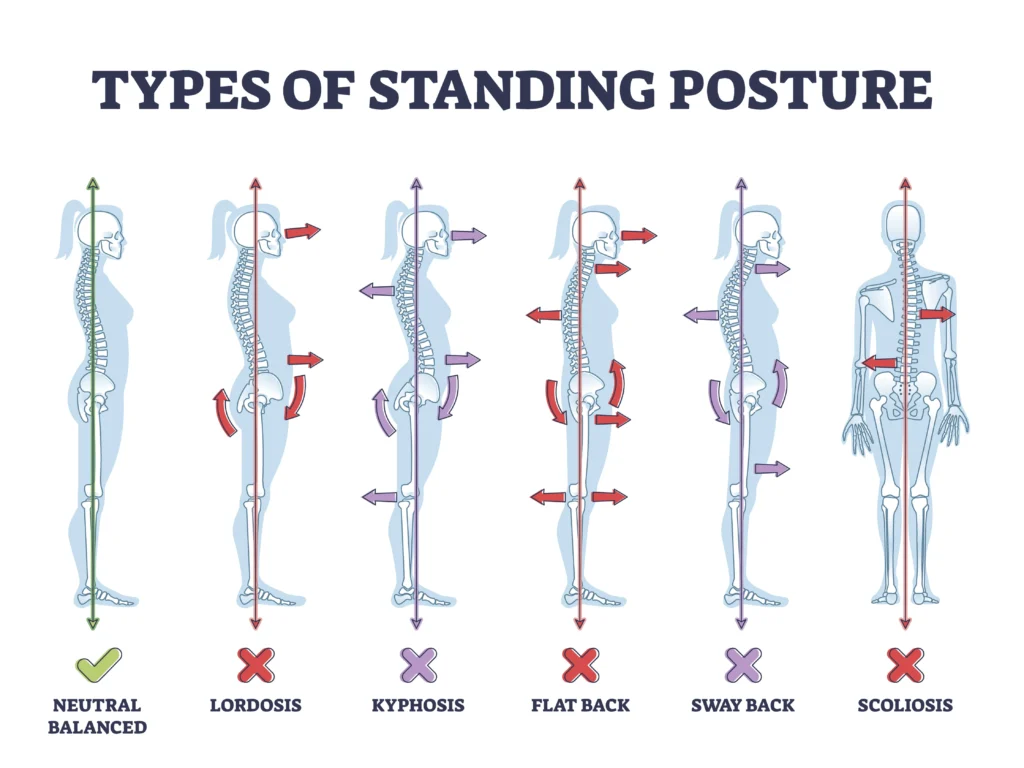
Tip from the Rebound Team for Maintaining Postural Awareness
- Pay attention to your body alignment throughout the day, especially when sitting or standing for prolonged periods.
- Use chairs, desks, and other ergonomic equipment designed to support proper posture. Adjust the height of your chair so that your feet are flat on the floor and your knees are at a 90-degree angle.
- Avoid sitting or standing in one position for too long. Take regular breaks to stretch, walk around, and relieve tension in your muscles.
- Incorporate core strengthening exercises into your fitness routine to build and maintain muscles that support the spine. We can suggest some exercises to get you started.
- When using electronic devices, position them at eye level to prevent slouching or straining your neck.
Stand Tall
Incorporating these tips into your daily routine can enhance your postural awareness and maintain a healthier, more comfortable posture over time. Looking for more personalized postural training? Schedule an appointment at Rebound Fitness & Rehabilitation!
Book an Appointment Today!
Don’t let poor posture and muscle strain create a domino effect. Let’s work together to strengthen your body’s chain and ensure each link is as strong and balanced as possible. Remember, a healthy posture and muscle strength are your best allies in the fight against pain.
Recipe of the Month: Egg Roll in a Bowl

Ingredients:
- 1 lb ground turkey or chicken
- ¼ cup yellow onion, chopped
- 3 cloves garlic, minced
- 2 teaspoons fresh ginger, grated or minced
- 1 12-14 oz package coleslaw mix
- ¼ cup low-sodium soy sauce, tamari or coconut aminos
- 2 teaspoons toasted sesame oil
- 1-2 teaspoons sriracha or sambal oelek
- 2 green onions, sliced
- sriracha, for serving (optional)
- sesame seeds and chopped cilantro, for garnish
- cooked cauliflower rice, for serving (optional)
Instructions:
- Heat a large skillet over medium-high heat. Add ground meat and cook until no longer pink, about 5-6 minutes. While cooking, break meat into smaller pieces using a wooden spoon or spatula and season liberally with salt and pepper.
- Add onion, garlic, ginger, coleslaw mix, soy sauce, sesame oil and sriracha to the skillet. Cook for another 5 minutes or so, until cabbage is tender. Taste and add more soy sauce or sriracha, if needed.
- Portion mixture into bowls and top with green onions, sesame seeds and cilantro. Serve with additional soy sauce, sriracha or chili crisp, if desired.