

Why Do My Sports Injuries Keep Coming Back?
You strain your calf while out on a run and take a few weeks off to recover. But after a few months of running, your calf starts bothering you again.
We know that these kinds of recurring sports injuries can often be more frustrating than a one-off injury. The good news is that they don’t have to be inevitable. The key is to understand why they happen and to work with the team at Rebound Fitness & Rehabilitation to ensure your rehabilitation prepares you for the demands of your sport and helps you get back to your favorite sports.

Five Possible Reasons Your Sports Injury Keeps Returning
1. Rehabilitation Stopped as Soon as the Pain Did
One of the most common mistakes we see athletes make is to quit their rehabilitation program once their symptoms decrease. The assumption is that once their pain decreased, their body must be ready to return to sport–but that’s not usually the case.
In fact, pain often improves before strength, power, or coordination return, which is why it’s important to see your rehabilitation plan through to the end. If you don’t, you miss out on the crucial later stages, which focus on restoring agility, endurance, and other important sport-specific skills.
How to Reduce Your Risk
Always complete your full rehabilitation program to ensure you regain the physical abilities you need for your activity.
2. Strength Never Fully Returned
Sports injuries often lead to temporary weakness. If that weakness remains, other muscles and joints may take on more work, which can alter movement patterns and set you up for additional injuries.
How to Reduce Your Risk
Continue strength training and building your sport-specific capacity even after symptoms improve.
3. Balance and Coordination Need More Work
Sports require your brain, muscles, and joints to react quickly. Injuries often affect proprioception, which is your body’s ability to sense where a joint is positioned without looking at it. This reduced proprioception can make it harder to control your movements during quick cuts, uneven landings, or sudden changes in direction.
How to Reduce Your Risk
Include balance, coordination, and reaction-based training as part of rehabilitation, especially after ankle, knee, or lower-extremity injuries.

4. Your Training Load Increased Too Quickly
Your body adapts to physical stress over time–in fact, that’s how you get stronger. However, overuse injuries can develop when your training demands rise faster than your tissues can adapt. Increasing running mileage too quickly, starting an intense new workout routine, or jumping into intense training after an off-season are some common examples.
How to Reduce Your Risk
Increase training gradually and incorporate rest days, particularly after harder sessions.
5. The Original Movement Problem Was Never Addressed
Sometimes the injured area is only part of the picture. Reduced strength, poor coordination, or inefficient movement can all have radiating effects throughout the body, and if they go unaddressed, your transition back to full participation may be more difficult and can set you up for another injury.
How to Reduce Your Risk
Look beyond the painful area with a full movement assessment to identify factors that may be contributing to repeated injury.
Breaking the Injury Cycle at Rebound Fitness & Rehabilitation
Our team understands how frustrating recurring sports injuries can be. Fortunately, we’re here to help you break the cycle with our full-body approach.
We’ll begin with a detailed assessment of your mobility, strength, balance, coordination, and movement patterns. We can talk with you about your training demands, previous injuries, and the specific activities that continue to trigger symptoms.
From there, we’ll create an individualized, training-based program designed to address the specific areas contributing to your injury. This might include strength training, mobility work, neuromuscular training, and other techniques based on your needs.
And because our team connects rehabilitation with athletic and performance training, care can progress beyond basic recovery, helping you build the capacity needed to safely return to sport.
Ready to Stop the Injury Cycle?
A recurring injury is often a sign that something in the recovery or training process still needs attention.
Instead of repeatedly resting until symptoms disappear, let the Rebound Fitness & Rehabilitation team take a closer look at your strength, movement, workload, coordination, and sport-specific readiness. That way, you can address the root cause of your injury and get back in the game with confidence.
Video Tips of the Month
Looking for a couple of quick, guided moves to support your spine between visits? This month’s video tips walk you through two simple positions our therapists often recommend to help manage back and neck discomfort. Watch along, then bring any questions to your next appointment!
Supine Lumbar Flexion
Lie on your back and gently draw both knees toward your chest, using your arms to guide the movement. This position helps flex the lower spine and can ease tension after periods of prolonged standing or extension-based activity.
Forearm Prone Press Up
Lying face down, prop yourself up onto your forearms while keeping your hips and pelvis relaxed on the floor. This gentle extension position is a McKenzie Method staple for encouraging healthy spinal movement.
Don’t Let an Injury Freeze Your Winter Fun
With winter just around the corner, you may be tempted to grab your skis and head straight for the slopes. Unfortunately, doing so without proper preparation can only set you up for an injury.
From skiing to hockey to ice skating, winter sports ask a lot from your body. Preparing for those demands is essential to ensuring you don’t miss out on the season’s fun.

Tips for Preventing Winter Sports Injuries
Build Lower-Body Strength
Make sure you continue strengthening your hips, legs, and core throughout the season, as these muscles help control your movements and manage the forces involved in turning, landing, and stopping.
Warm Up Before You Start
Before you get started, spend several minutes gradually increasing your heart rate and performing dynamic movements to warm up the joints and muscles you’ll use during your activity.
Increase Activity Gradually
Your first day back shouldn’t be your most intense. Build duration and intensity over time, especially if you have been less active during the off-season.
Take Breaks When You Get Tired
Fatigue can affect coordination and movement control, increasing the likelihood of an injury. Be sure to give yourself time to recover rather than squeezing in one more run when your body is exhausted.
Use Appropriate Equipment
Make sure boots, bindings, helmets, and other protective gear fit correctly and are suited to your activity and skill level.
Get Ready for a Fun Winter Season
Preparation can make your favorite winter activities safer and more enjoyable. And don’t forget that if you’d like a little more guidance on preparing for winter sports, Rebound Fitness & Rehabilitation is here to help. Give us a call today to get started.
Patient Success Story
Our Patients Are Seeing Success
Meet Our Team

Colleen Levitz
MS, PT

Jianrong Hong
PT, DPT
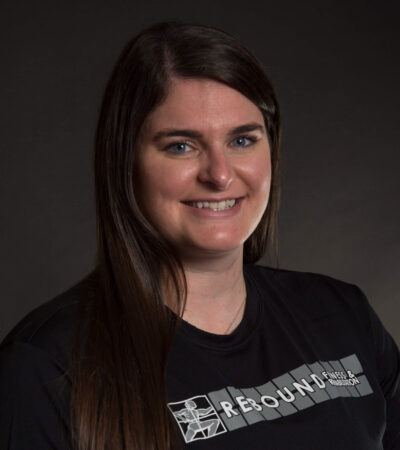

Stephanie Berman
ATC, General Manager
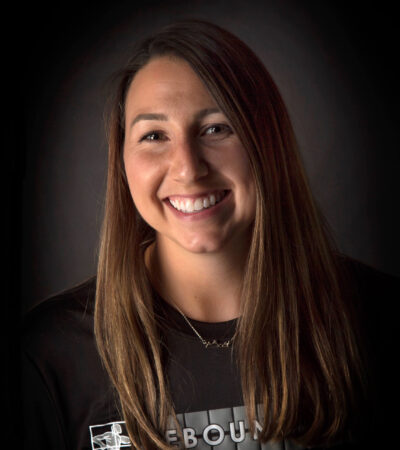
Samantha Lodygowski
M.Ed, LAT, ATC

Rennie Stefani
MS, CSCS

Greg Cadichon
ATC, LAT, Founder and Director, Rebound Fitness & Rehabilitation, Inc.


Ask a PT
Welcome to our “Ask a PT” feature! This is your go-to spot in the newsletter to get real answers to everyday questions about the body, movement, and feeling your best. Whether you’re dealing with an injury, wondering how to stay active, or just curious about how physical therapy works, our team of physical therapists is ready to help. Each month we’ll share responses, tips, and answers based on questions from you, so if there’s something you’ve been wondering about, don’t be shy! Send it in – we’d love to hear from you!

Maple Pecan Sweet Potato Harvest Bowl
Embrace the flavors of autumn with this nourishing harvest bowl. Caramelized roasted sweet potatoes, crisp fresh apples, and toasted pecans are served over a bed of hearty quinoa and leafy greens, making it the perfect healthy lunch or cozy weeknight dinner.
Ingredients
- 1 cup sweet potato, peeled and cubed
- ½ cup cooked quinoa
- 1 cup fresh kale or spinach, chopped
- ½ crisp fall apple (like Honeycrisp or Fuji), diced
- 2 tablespoons chopped pecans, lightly toasted
- 1 tablespoon extra-virgin olive oil (divided)
- 1 teaspoon pure maple syrup
- 1 teaspoon Dijon mustard
- Pinch of cinnamon, sea salt, and black pepper
Toss the sweet potato cubes in half of the olive oil, cinnamon, salt, and pepper, then roast at 400°F (200°C) for 20-25 minutes until tender and caramelized. In a small bowl, whisk the remaining olive oil, maple syrup, and Dijon mustard to create a quick dressing. Assemble your bowl by layering the greens, quinoa, roasted sweet potatoes, and apples. Drizzle with the maple-dijon dressing, top with toasted pecans, and enjoy warm or at room temperature.
Packed with complex carbohydrates, warming fall spices, and plant-based fiber, this seasonal bowl will keep you fueled, focused, and satisfied on crisp autumn days.