

How Can I Avoid Injuring Myself While Strength Training?
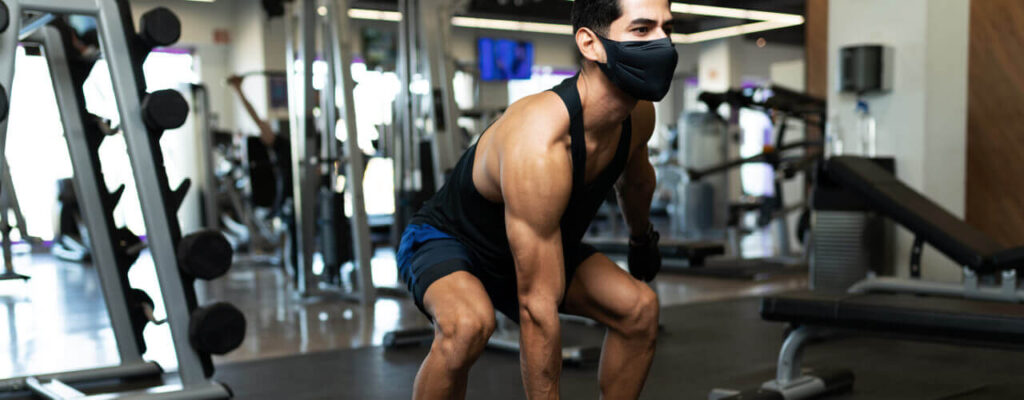
One of the most important pieces of advice offered to individuals participating in strength training activities is to “not injure yourself.” It’s a familiar warning to hear, whether it’s a rehab regimen following a recent accident or operation, whether you’re just trying to improve your physical health.
Although it may seem that it is far easier said than done, a physical trainer may assist you in gaining strength by recommending ways to improve your preparation and offering accident reduction therapies. Here are a few pointers for avoiding injuries during strength training.
1. Take your time.
Often it’s best to take it slowly at first. Even if you were a champion athlete once, any amount of inactivity will de-condition your body faster than you expect. It might be enticing to pick up where you left off, but your body may not be prepared. If you overexert yourself in the early phases of a new program, you are more likely to hurt yourself. Start at the bottom and work your way up.
This will help you create a baseline for where your training started, and it will make it easier to track your progress. A serious injury at the start of a new training program will be even more frustrating than starting at the bottom will be.
2. Do warm up exercises before you work out.
It is important to stretch and warm up the body before beginning every workout or fitness routine. Your physical trainer will teach you how to train your body for weightlifting by using strength bands or light weights.
Stretching and cardio are also important beforehand. A proper warm-up is essential for optimum performance, as it helps to loosen up your muscles, get your blood flowing, and keep your muscle cells oxygenated.
3. Eat well.
Proper nutrition is important for maintaining muscle health and strength during strength training. Your physical trainer will most certainly advise you to eat a healthy meal a couple of hours before exercising. He or she will advise you about the appropriate amount of protein, carbs, fruits, and vegetables to include in your meals in order to achieve optimal results.
It is also to make sure you stay hydrated while training, drinking a 16-ounce glass of water a couple of hours before your workout, as well. Staying hydrated even when you aren’t working out will also help prevent your muscles from tightening up, and will provide you with more energy during the day.
4. Follow up with your physician with yearly physicals.
Physicals help to determine where your body’s level of physical performance is. Many people, especially as they hit middle age, still feel like they’re 25 and ready to take on the world. However, that is not always the case. For example, if you haven’t gone on a run in 5 years and you decide to start training as a runner again, you need to prepare your body for the physical exertion you are about to make.
5. Listen to your body.
It is common to experience any soreness when you first begin practicing, so if you are feeling extreme pain or stiffness, check with your physical therapist. You’re familiar with the body and can see that something isn’t quite right.
If you feel like the fitness schedule is going too fast for you, you can change to a lighter weight or even take a day off. Attempting to push through pain will lead to severe injury.
If you jump straight into a training program, you can risk serious injury or health reactions. Your physical will let you know where you should begin in your training program, and will give you some dieting and light exercise tips to condition your body for the training it is about to embark on.
6. Contact our clinic for more help.
If you’re ready to start a strength training program and want to maximize your results, working with a physical therapist can give you a boost. Your physical therapist will act as your guide throughout your training. He or she will analyze your form to make sure you are performing correctly and avoiding injury. A physical therapist will be there with you every step of the way, encouraging and supporting you as you reach your goals.
Call Rebound Fitness & Rehabilitation to schedule a consultation today, and we’ll get started on helping you take your physical performance to the next level!