

Carpal Tunnel at Work: How to Recognize the Signs
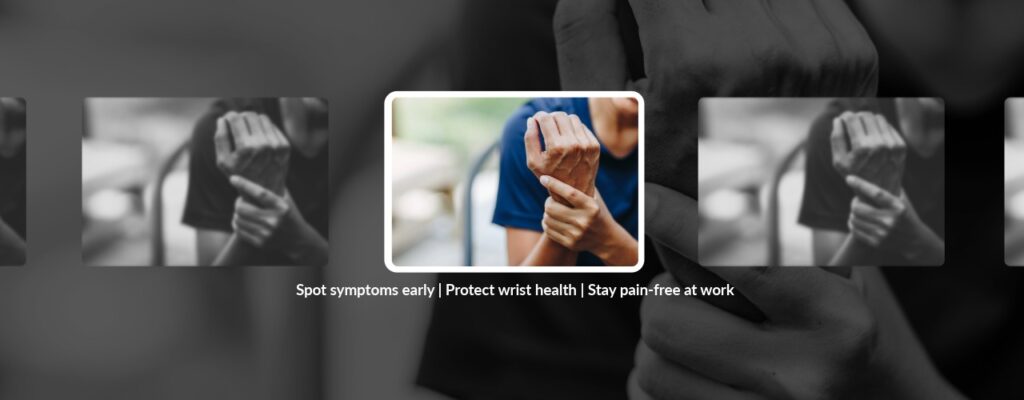
If you spend much of your day typing, clicking, or handling tools, you may have noticed aching or tingling in your wrist and fingers. These subtle warning signals could suggest you’ve developed carpal tunnel at work.
Carpal tunnel syndrome is a condition that develops when the median nerve, which runs through your wrist, gets entrapped by a structure known as the carpal tunnel. The earlier you notice the signs and seek care, the easier it is to prevent lasting discomfort.
Below, the Rebound Fitness & Rehabilitation team has prepared a step-by-step guide to help you recognize the symptoms and understand when it may be time to seek professional support.
Seven Steps to Managing Work-Related Carpal Tunnel Syndrome
Step 1: Pay Attention to Early Wrist Discomfort
The first step in recognizing carpal tunnel at work is tuning in to how your wrists feel throughout the day. Pain may begin as a dull ache that worsens after repetitive tasks. Some people notice stiffness in the morning or soreness after long periods at the computer.
Tips from the Team
- Look for patterns of discomfort that repeat daily
- Notice whether wrist pain is linked to certain tasks
- Do not ignore mild symptoms that keep returning
Step 2: Notice Tingling or Numbness in the Fingers
A classic sign of carpal tunnel is tingling or numbness, especially in the thumb, index, or middle fingers. These sensations often feel like pins and needles, and they may wake you up at night.
Tips from the Team
- Pay attention if tingling worsens during work hours
- Track whether symptoms spread from your fingers to your palm
- Recognize that nighttime numbness is a common early warning
Step 3: Test Your Grip Strength in Daily Tasks
Carpal tunnel at work can reduce your ability to grip or hold objects. This may appear slowly, making everyday tasks more difficult. You might find yourself dropping your phone, struggling to open jars, or noticing weakness when turning a doorknob.
Tips from the Team
- Compare how both hands feel when performing tasks
- Watch for unexpected clumsiness or weakness
- Understand that grip weakness is not just fatigue but a sign that something’s wrong in your hand or wrist.
Step 4: Track When Symptoms Occur Most Often
Patterns matter when identifying carpal tunnel syndrome. Keeping a simple log can help you and your provider understand what activities aggravate your symptoms.
Tips from the Team
- Note whether pain or numbness increases with typing, mouse use, or lifting
- Record how long symptoms last and what time of day they appear
- Use this information when speaking with a physical therapist
Step 5: Differentiate Carpal Tunnel Syndrome from Other Wrist Issues
Not all wrist or hand pain comes from carpal tunnel syndrome. Arthritis, tendonitis, or muscle strain can feel similar. Recognizing the difference requires paying attention to where symptoms occur.
Tips from the Team
- Carpal tunnel usually affects the thumb, index, and middle fingers. If pain is mostly in the little finger, another cause may be at play.
- Your best bet is to schedule an appointment with Rebound Fitness & Rehabilitation for a full evaluation.
Step 6: Know When It Is Time to Seek Help
If you have persistent symptoms that interfere with work or daily life, it is time to speak with a professional. Our physical therapists can assess your wrist and guide you toward safe, effective strategies for relief.
Tips from the Team
- Do not wait until pain becomes severe
- Early care can reduce long-term complications
- Professional support ensures you are addressing the root cause
Step 7: Explore Physical Therapy as a Supportive Option
Physical therapy plays a key role in managing carpal tunnel at work. A therapist can teach you safe positioning for your hands and wrists, advise on workplace adjustments, and provide techniques that ease nerve pressure over time.
Tips from the Team
- Therapy helps restore comfort and function
- Guidance is tailored to your job and lifestyle
- Support can prevent symptoms from worsening
Take Control of Your Wrist Health Today
Carpal tunnel at work can sneak up gradually, but recognizing early warning signs makes all the difference. By paying attention to your symptoms, tracking patterns, and knowing when to seek care, you can protect your hands and stay comfortable while on the job.
At Rebound Fitness & Rehabilitation, we provide personalized care to help patients confidently manage carpal tunnel and other conditions. Reach out today to start your path toward relief.